The Ultimate Fountain Pen Starter Kit Checklist
A fountain pen will forgive a great deal, but it won't forgive a bad match between nib, ink and paper. The pen gets all the attention; the other two decide whether you actually enjoy using it. Before your first pen arrives — or before you open the box you've already bought — it's worth assembling a small, unglamorous kit: a converter or two, a well-behaved bottle of ink, paper that can take a wet line, and the means to clean up afterwards. None of it is expensive or complicated, and having it to hand turns a fiddly first fill into a five-minute pleasure.
Start With the Pen — and Its Filling System
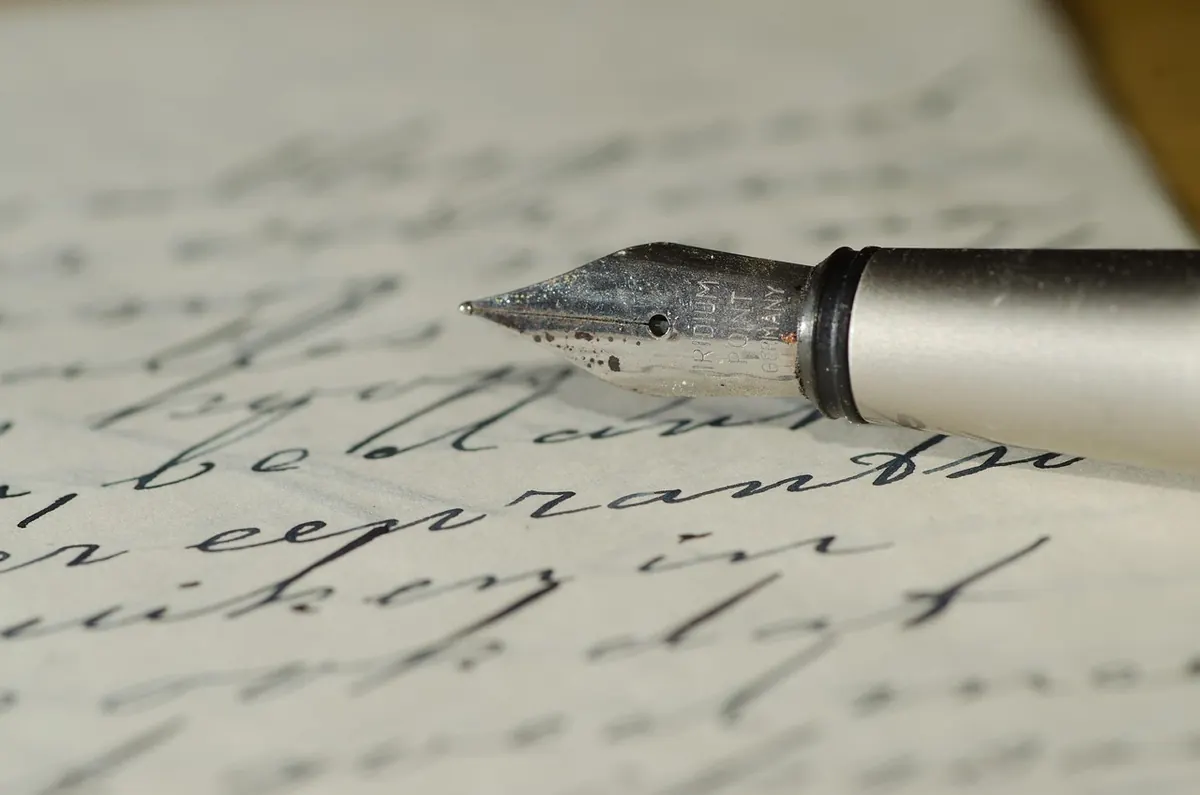
Any pen you can hold comfortably will do for a first purchase. What matters more is the nib width and how the pen takes ink. A fine or medium nib is the safest starting point: fine suits small handwriting and ordinary paper, medium shows off ink colour and shading with more generosity. Broad and stub nibs are lovely, but they drink ink and demand better paper than most beginners own.
Then decide how you'll fill it. There are three broad options:
- Cartridge only. The simplest route. Push in a sealed cartridge and write. Fewer colour choices, but no mess and nothing to break.
- Cartridge and converter. The most beginner-friendly combination. Use cartridges while you find your feet, then switch to bottled ink with a converter when you want more choice.
- Piston, vacuum or eyedropper filler. A built-in reservoir with no cartridges at all. Generous ink capacity and often a nicer feel, but cleaning takes a little longer.
Familiar starter pens such as the Lamy Safari, Pilot MR, Platinum Preppy, Kaweco Sport and TWSBI Eco fall across all three camps, and none of them will hold you back. Buy the one that fits your hand and your budget. The nib size matters more than the badge on the clip.
Ink: Cartridges, Bottles, and What to Buy First
Cartridges are convenient and clean; bottled ink works out cheaper per millilitre and comes in hundreds of colours. Do both. Keep a pack of cartridges in your bag for refills away from home, and a bottle on your desk for everyday filling.
Not every cartridge fits every pen. Many European pens take standard international short or long cartridges, while Lamy, Pilot and Platinum each use their own fittings. Check before you buy a box of fifty.
Choosing a first ink
Start with a dye-based ink in mid-blue, blue-black or black. These flow well, rinse out of a pen easily and behave on ordinary paper. Once you're comfortable, you can explore the rest:
- Pigment and waterproof inks — permanent and excellent for envelopes and archival notes, but they need more diligent flushing.
- Shimmer inks — suspended glitter that can settle and clog narrow feeds. Keep them for pens you can dismantle and clean.
- Iron gall inks — dry, permanent and traditional, best kept in a pen you don't mind flushing often.
A word of caution: ink is not a foodstuff. Keep bottles out of reach of children and pets, cap them straight after filling, and wipe spills before they set.
Paper Matters More Than You Think
Most complaints about scratchy nibs and skipping pens are really complaints about paper. Thin, highly absorbent paper wicks ink sideways, a problem known as feathering. It also lets ink through to the reverse side, so you can only write on one face. Your lovely fine nib starts to look like a marker.
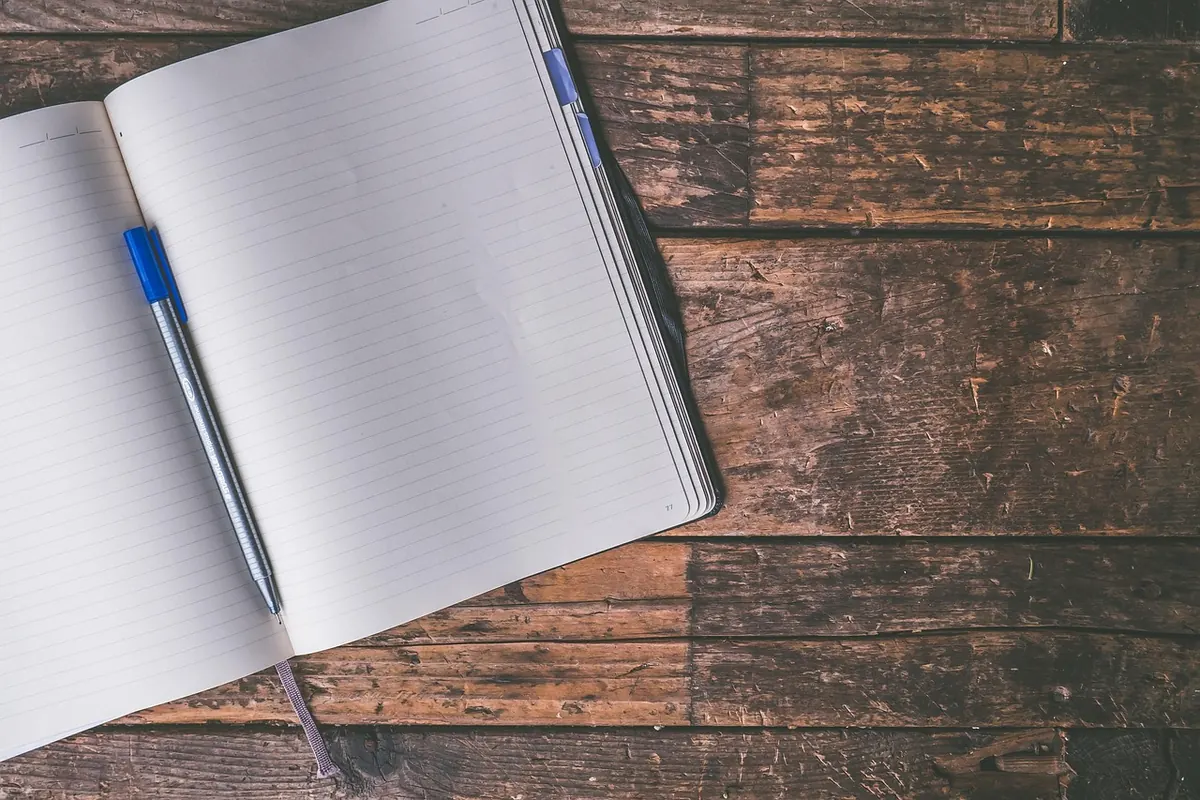
Look for paper of at least 80–90 gsm with a smooth, lightly coated surface. Notebook brands such as Rhodia, Clairefontaine, Oxford Optik and Leuchtturm generally handle fountain pen ink well, as do most loose-leaf pads sold for handwriting practice. Buy one notebook first rather than a ten-pack, and test it properly.
Here's a quick test you can run on any paper in the shop or at your desk:
- Draw one slow line and one fast line with the same pen.
- Fill in a small square, then write your name underneath.
- Turn the sheet over and read it.
If both lines stay crisp, the square doesn't bleed and the reverse side is legible, the paper is up to the job. Keep two papers in your kit: a smooth pad for letters and journaling, and a cheap notebook for lists, drafts and ink tests. You'll stop babying the good paper and start using it.
Cleaning and Maintenance Kit
You won't need a laboratory, but you do need more than a running tap.
- A bulb syringe for pushing water through the section, or a small clean beaker for soaking.
- Cool or lukewarm water — never hot, which can distort feeds and barrels.
- Kitchen roll or a dedicated ink towel, so household surfaces stay clean.
- A soft toothbrush for dried ink in threads and around the feed.
- A little silicone grease for piston fillers. Never substitute petroleum jelly, which damages some plastics and rubbers.
- A pen case or sleeve to stop the pen rolling loose in a bag.
Flush a pen whenever you change ink colour, or before putting it away for more than a few weeks. Fill and empty it with water until the water runs clear, then stand the nib on kitchen roll overnight to draw out the remaining moisture. Never force a stiff piston, and never soak a wooden or casein pen body.
The Starter Kit Checklist
Print this, tick it off and keep it in your desk drawer.
- Pen: fine or medium nib, comfortable grip, cartridge and converter compatible
- Converter: matched to your pen's brand, plus a spare if you can
- Cartridges: one pack in a colour you'll actually use
- Bottled ink: one well-behaved blue, blue-black or black
- Ink syringe or pipette for filling converters and flushing
- Paper: one smooth notebook of 80–90 gsm, plus a cheap pad for testing
- Blotting paper or a folded sheet to rest the nib on
- Bulb syringe and a small cup for cleaning
- Kitchen roll and a soft toothbrush
- Pen case for safe carrying
- Ink log — a notebook page recording which ink is in which pen, and when you filled it
Extras Worth Adding Later
Once the basics are in place, a few additions make the hobby easier. Ink samples let you try colours without committing to a full bottle. A second pen means you can keep one inked while the other dries after cleaning. An inexpensive loupe reveals whether a nib's tines are misaligned, which is often the real reason a pen feels scratchy. And a small ink log saves a lot of guessing when a pen has been sitting in a drawer for a month.
Your First Fill: A Ten-Minute Routine
Set everything out before you begin: pen, ink, kitchen roll and a sheet of paper for testing. Fill the converter slowly, wipe the nib and section with the towel, then write a few lines to let the flow settle. If the nib feels dry, don't press harder — give it a minute, or flush and refill. If it feels scratchy, check the tines and the paper before blaming the pen.
Then put the checklist away and write something. A starter kit isn't a barrier to entry; it's just the difference between a first month of frustration and a first month of quiet, satisfying use.
Photo: Skylar Kang / Pexels