The Best Budget Fountain Pens for Beginners: Top Picks Reviewed
Most first fountain pens end up at the back of a drawer. They skip on the first downstroke, scratch the paper, or dry out between uses, and their owner goes back to a biro convinced that fountain pens are fussy. Usually the pen is the problem rather than the idea. A well-chosen pen costing about the price of a paperback will write smoothly from the first fill and still start reliably after a fortnight in a bag. These are the ones worth your money.
What to look for in a first fountain pen
Four things decide whether a beginner's pen feels good in the hand, and none of them is the price tag.
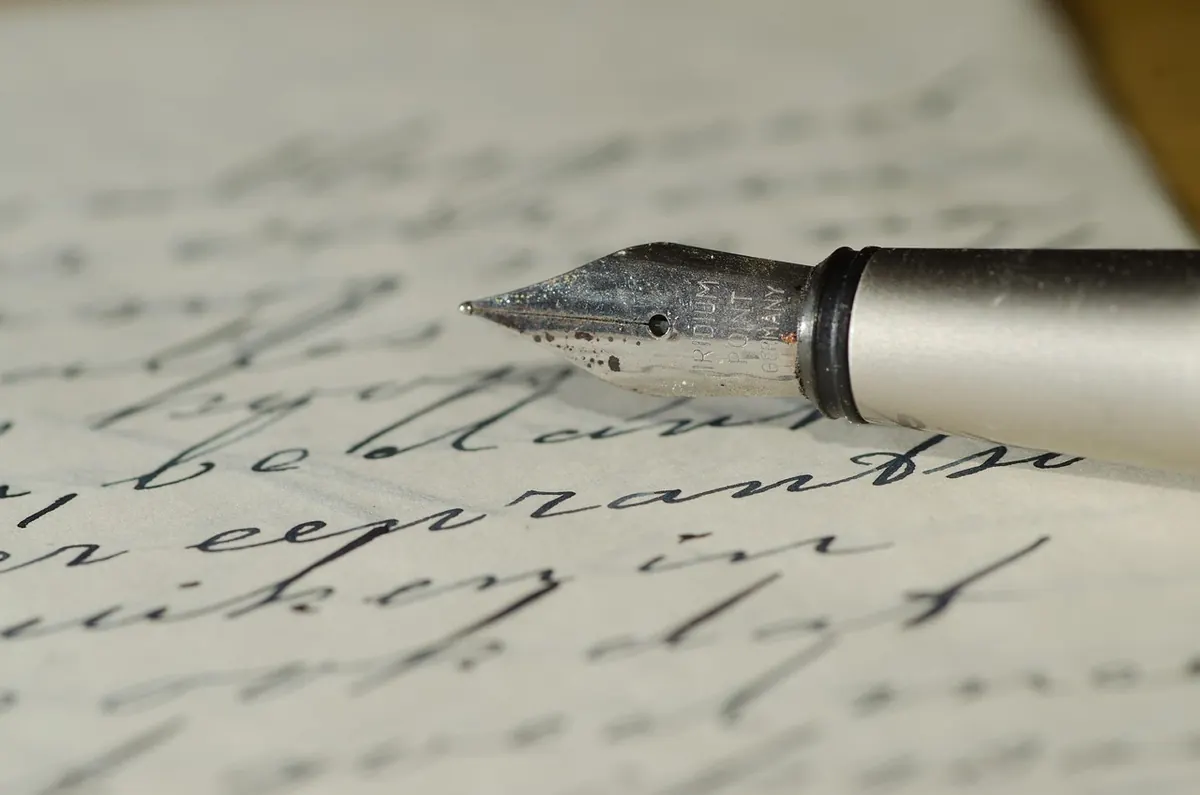
- The nib. Steel nibs are perfectly good; what matters is that the tines are aligned and the tip is smooth. A scratchy nib is a fault, not a fact of life, and most shops will exchange a pen that writes badly out of the box.
- The filling system. Cheap pens usually take proprietary cartridges, which are convenient but restrict your ink choice and cost more per millilitre. Check whether a converter is available before you buy, especially if you fancy bottled ink.
- The cap. A cap that seals properly is what stops the nib drying out. Platinum's slip-and-seal caps are the best in this price bracket by a distance.
- The grip. Several beginner pens use a moulded triangular section that dictates how you hold the pen. If you grip unusually, that shape can be a nuisance rather than a help.
Nib width and paper matter too, but both are easy to sort out later. Get the four points above right and you will enjoy using the pen.
Platinum Preppy: the safest place to start
The Preppy is what I suggest when someone is not yet sure they will stick with fountain pens. It is light, made of scratch-prone plastic, and looks exactly as inexpensive as it is. The nib is the surprise: it starts first time, writes smoothly, and copes with ordinary notebook paper better than pens costing several times as much. The sealing cap is the standout feature. Leave a Preppy unused for a month and it will still write on the first stroke.
It takes Platinum's own cartridges, though an adapter lets you use standard international short cartridges. With a rubber O-ring and a smear of silicone grease, the barrel itself can be filled with ink, turning a very cheap pen into one with a generous ink capacity. The clip feels flimsy and the body will pick up scuffs, but nothing else here is as low-risk a first purchase. Choose the 03 fine nib if your handwriting is small.
Pilot MR: the one that feels more expensive than it is
Sold as the Metropolitan in America and the MR in the UK, this is the pen that converts sceptics. The barrel is brass, so it has a weight and balance that plastic pens lack, and the snap cap is sturdy enough for a coat pocket. Pilot's nibs are Japanese, which means they run finer than their European labels suggest: a Pilot medium is closer to a Lamy fine. If you like a crisp, narrow line, the fine is excellent. If you write with pressure, go medium.
It usually arrives with a cartridge and Pilot's squeeze converter, so bottled ink is an option from day one. Two things to know. It takes Pilot's own cartridges and converters, not international ones. And there is a visible step where the grip section meets the barrel, which can dig into your fingers if you hold a pen close to the nib.
Lamy Safari: buy once, keep for years
The Safari has been in production since the 1980s, and it has the best spares and nib-swapping story of anything on this list. The nibs pull off and push on, so you can keep a fine and a medium and change them in seconds. The ABS plastic body shrugs off knocks, the wire clip actually holds, and cartridges and the Z28 converter are stocked in most decent stationery shops.
The triangular grip is the deciding factor. If your fingers settle onto it naturally, the Safari is comfortable for long sessions. If they do not, try the Kaweco below instead. Do budget for a little variation between individual Lamy nibs, and expect the extra-fine to feel slightly toothy.
Three more worth a look
Kaweco Perkeo
A school pen with a friendlier shape than the Safari and standard international short cartridges, which are cheap and widely sold. The nib is smooth and the cap seals well. The faceted barrel suits a light grip and looks less utilitarian than the price suggests.
Faber-Castell Grip
The rubberised section is the selling point here, and the slightly softer nib suits anyone who presses harder than they should. It takes international cartridges. The body is chunky, so it is not the one for a small hand.
TWSBI Go
A piston filler at a beginner's price, which means no cartridges at all. A spring-loaded plunger fills it from a bottle in one push, and the ink capacity is generous. The plastic feels hollow, but it is cheerful, tough and the obvious pick if you have already decided to use bottled ink.
Nib size, ink and paper
Nib width is the choice you will notice most. A rough guide:
- Extra-fine and fine: ideal for small handwriting and cheap paper, since less ink means less feathering. They can feel slightly scratchy if you press.
- Medium: the safe default, smoother and more forgiving, at the cost of using more ink.
- Broad: satisfying for signatures and headings, but it needs paper that can take a wet line without bleeding.
Ink is the other half of the experience. Cartridges are tidy and easy; bottled ink is far cheaper per millilitre and comes in hundreds of colours. Ordinary copier paper and cheap notepads will make even a good pen look bad, so try a notebook designed for fountain pens. And relax your grip: these pens write under their own weight, so no pressure is required.
A little upkeep keeps everything working:
- Unclip the cartridge or converter and empty any remaining ink.
- Draw cool water in and out through the nib until it runs clear.
- Repeat once more with a drop of washing-up liquid in the water if the pen has been left inked for months.
- Wrap the nib in kitchen paper and leave it to wick dry overnight.
- Fit a fresh cartridge or refill the converter, then write a few lines to get the ink flowing.
Never use hot water on a fountain pen, and keep alcohol-based cleaners well away from the plastic.
Which one should you buy first?
If you want the lowest-risk introduction, buy a Platinum Preppy with a fine nib and a pack of cartridges. If you would rather own one pen that feels substantial, buy the Pilot MR, add a bottle of ink, and use the converter. If you like the idea of swapping nibs as your handwriting changes, the Lamy Safari is the sensible long-term choice, provided the grip suits you. Buy from a shop that will let you try before you pay where you can, and if a new pen skips or scratches, take it back rather than fighting it. Fountain pen ink stains, so keep an eye on shirt cuffs and light-coloured bags while you get used to filling and capping.
Photo: Katya Wolf / Pexels