How to Start a Bullet Journal: A Beginner's Guide
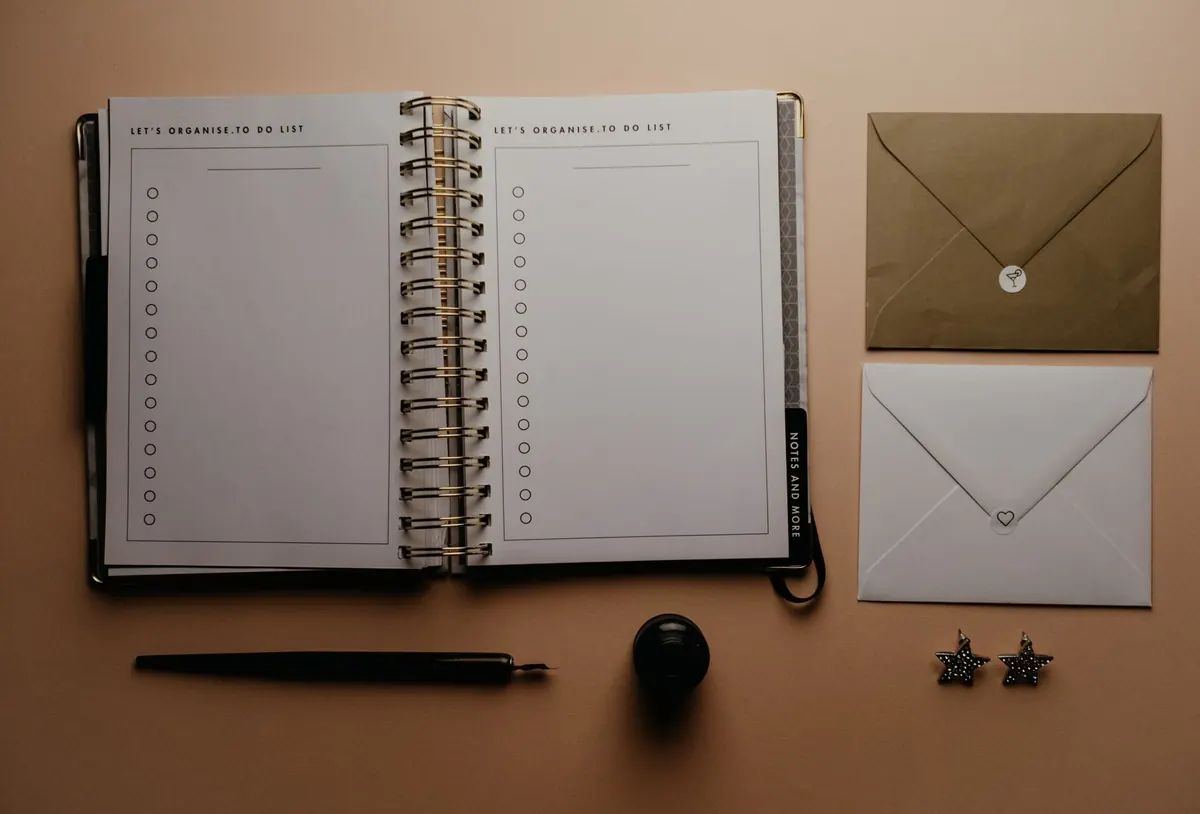
A bullet journal is a notebook and a pen. That's the whole idea, and it's also why so many people abandon one by February. With no printed dates telling you where to write, a blank page can feel like an exam you haven't revised for. The fix isn't a more expensive notebook or another evening of setup videos — it's starting small. Learn four or five core ideas, use them for a month, and let the extras arrive only when you actually need them.
What a Bullet Journal Is (and Isn't)
A bullet journal is a method rather than a product, devised by Ryder Carroll as a way of organising a paper notebook so that it works as a planner, a to-do list and a diary at once. The name comes from the small dashes and dots you use to log things quickly.
What it isn't: an art project, a scrapbook, or a test of your handwriting. Washi tape and hand-drawn calendars are lovely, and plenty of people enjoy that side of it, but they are decoration. The system underneath is what makes the notebook useful, and the system is deliberately plain. Keep that in mind and you'll sidestep the most common trap — spending three hours drawing a monthly spread and no time actually using it.
What You Actually Need
A shorter shopping list than you'd expect:
- A notebook. A5 is the sweet spot: small enough to carry, big enough to be useful. Dotted or squared pages make it easier to line things up, but plain or lined works perfectly well if that's what you already own. A cheap exercise book is a fine place to learn the method.
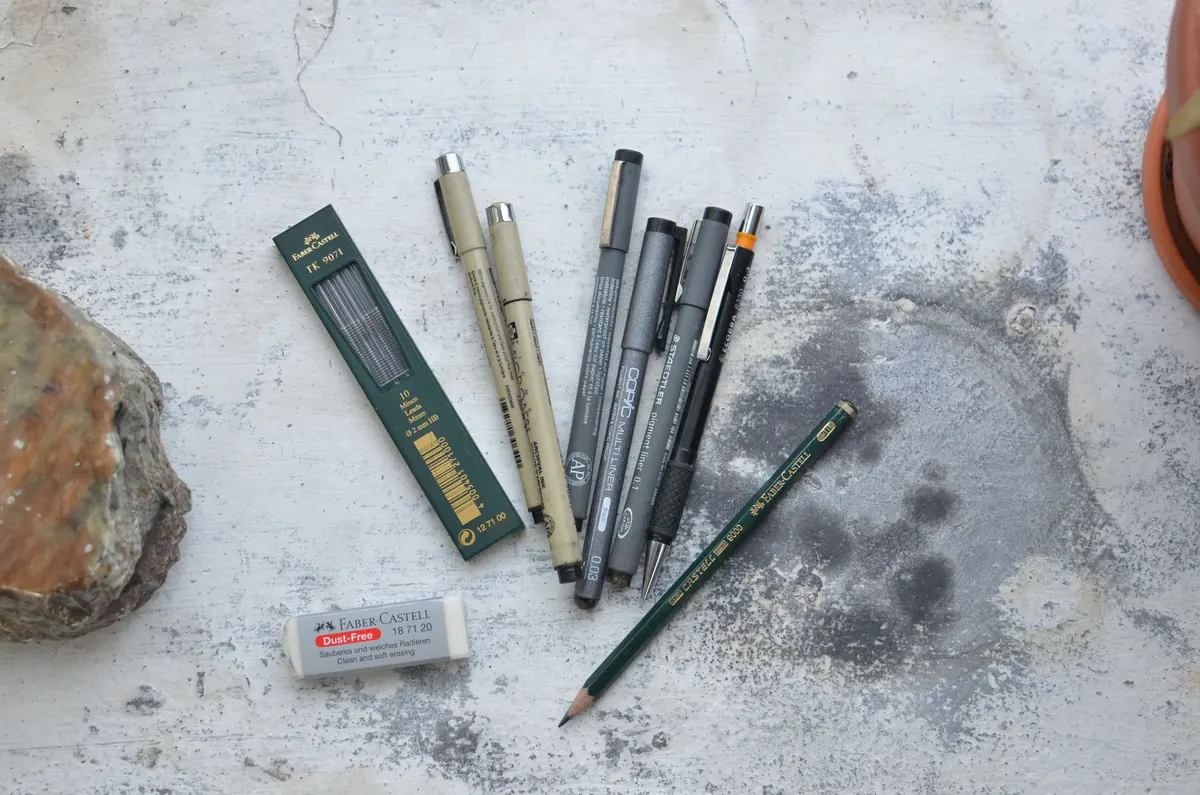
- A pen you enjoy writing with. Anything that doesn't smudge or bleed through the page.
- A few extras, eventually. A small ruler, a highlighter, a pen loop or an elastic band. Add these only when you notice a genuine gap.
Resist buying an expensive notebook before you know the method suits you. Nothing stalls a new habit faster than feeling you've wasted money on it.
Learn the Key Before You Draw Anything
The key is a short list of symbols that tell you what each line is at a glance. The standard set is tiny:
- A dot or dash for a task
- A cross through it when it's done
- An arrow for a task you've moved forward to another day — this is called migration
- A circle for an event or appointment
- A dash for a note or a thought worth keeping
Write the key on the inside front cover so you don't have to remember it, then use it even when the temptation is to write an ordinary list. Within a week the symbols become automatic, and you'll be able to scan a page and see instantly what's still outstanding.
Feel free to change the key as you go. If a symbol never gets used, drop it. If you need a way to mark work tasks separately from home ones, add it. The key only fails when it grows to fifteen entries and you can't recall any of them.
Setting Up Your First Few Pages
Work through this once and you have a functioning bullet journal. It takes about twenty minutes.
- Number the pages. If your notebook isn't already numbered, do the first thirty in the bottom corner. It's the dullest part of the job and the most important.
- Start an index. Give the first page or two to a list of contents. Every collection and spread you add later gets logged here with its page number, so the notebook stays searchable as it fills up.
- Add a future log. Two pages, divided into the next six months. This is where dates that aren't relevant this month live: birthdays, appointments, trips.
- Draw a monthly log. One page. Put the days of the month down the left-hand side and a short task list down the right. Five minutes, no ruler required.
- Begin your first daily log. Write today's date, then log tasks, events and notes as they come up. Tomorrow's date goes underneath when you need it — not in advance.
That's the whole foundation. Notice that none of it requires a design.
Collections: Where It Earns Its Keep
A collection is simply a list on a theme. This is the part that makes a bullet journal more than a diary, because you can create a page for whatever is occupying your head: books you want to read, a packing list for a weekend away, jobs around the garden, notes from a course, a project with its next few steps.
Add two things every time: a title, and an entry in your index. That's it.
One warning. It's easy to spend an afternoon setting up a beautiful collection for a hobby you'll pick up twice. Start with one — a running list of books, or a simple project page — and add more when you find yourself wanting the same piece of information in the same place for the second time. Collections should solve a problem you already have, not one you might have next year.
Mistakes Worth Avoiding
- Copying an elaborate setup from a photo. Someone else's spread reflects someone else's life. Borrow their ideas, not their layout.
- Pre-drawing a whole year. You'll fill half of it and resent the rest.
- Migrating every unfinished task. Moving something to a new page is meant to make you ask whether it matters. If it's been carried forward four times, cross it out.
- Chasing neatness. A crossed-out word and a wobbly line are normal. Notebooks are for using.
- Skipping the index. It feels unnecessary at page ten. At page ninety it's the only way you'll find anything.
Making It Stick
Two moments a day keep a bullet journal alive. In the morning, open it, check the day's tasks and add anything you're carrying in your head. In the evening, spend three minutes marking things off and moving the rest forward. Five minutes in total, and that's enough.
A weekly tidy-up
Pick a time you'll actually remember — Sunday evening, Friday lunchtime, the ten minutes before you leave the office — and look back over the week: what got done, what's still hanging around, what's coming next. Add anything you've been meaning to write down, and check the future log for dates that need pulling into the month ahead.
When you fall behind
You will miss days. Everyone does. When you come back, don't try to backfill the gap; turn to the next clean page, write today's date, and carry on. If the system starts to feel like a chore, take something away rather than adding something new — fewer collections, fewer symbols, fewer sections.
A bullet journal works best when it's a little scruffy, half full of crossings-out, and genuinely yours. Start with a notebook you already own, set up the five pages above tonight, and let the rest follow from use.
Photo: Polina ⠀ / Pexels